

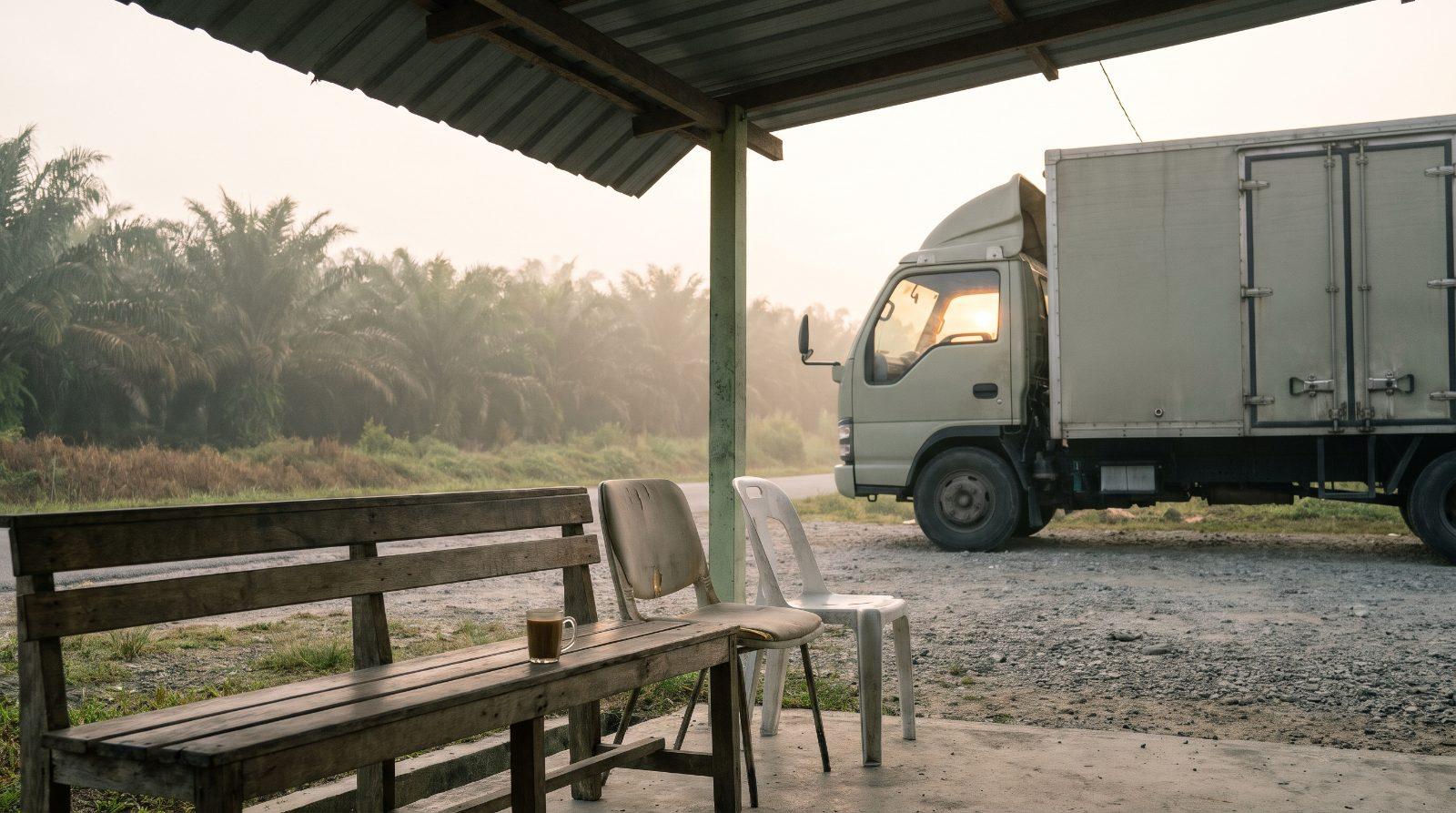
Pil kuda, also called yaba, is a small pill made of methamphetamine mixed with caffeine. It is the same drug as syabu in a different form, so it carries the same risks: addiction, paranoia, psychosis and damage to the heart, and it can be treated in the same way.
This guide explains what pil kuda is, what it does, the signs that someone is hooked, what stopping feels like, what the law says in Malaysia, and where help starts.
What is pil kuda?
UNODC, the United Nations drugs office, describes yaba as a tablet form of methamphetamine mixed with caffeine, usually about 30% methamphetamine. The name comes from Thai: yaba means "crazy medicine", and an older Thai name, ya maa, means "horse medicine", which is where the Malay name pil kuda comes from. Cilisos describes the pills sold in Malaysia as small and usually red.
In Kelantan it is often called "pil gila". In November 2025 the Kelantan police chief told Sinar Harian that pil kuda is the most popular drug in the state and a big factor behind a rise in violent crime there.
People swallow the pills or smoke them. Either way, the methamphetamine reaches the brain fast.
Pil kuda, syabu and ice: what is the difference?
They are all methamphetamine. Syabu (ice) is the crystal form, and pil kuda is a pill with caffeine added. Because a pill looks less serious than crystal, some people think pil kuda is a milder drug. It is not. The active drug is the same, and the syabu guide applies to pil kuda too.
How common is it in Malaysia?
AADK recorded 191,832 people with drug problems in 2025, Kosmo reported in March 2026. AADK's 2025 state figures, reported by Malay Mail in June 2026, put Kelantan, Terengganu, Perlis and Kedah at the top. Kelantan, where police say pil kuda is the most popular drug, had the highest rate of all: 1,105 per 100,000 people.
Supply is large. UNODC reported a record 236 tons of methamphetamine seized across East and Southeast Asia in its May 2025 report, with Thailand alone seizing about one billion yaba tablets, and it named Sabah as a transit point on a sea route. For the wider picture, see drug addiction statistics in Malaysia.
What pil kuda does to the body and mind
In the first hours
UNODC says yaba gives a burst of energy, more activity, less appetite and a feeling of well-being. NIDA, the US National Institute on Drug Abuse, adds alertness and confidence to the list. UNODC says it was traditionally used by workers such as lorry drivers to stay awake.
Then comes the crash. UNODC describes long periods of sleep and low mood as the drug wears off. Many people take more to avoid the crash, and that is how a habit forms.
Short-term dangers
NIDA lists paranoia, anxiety, a fast or irregular heartbeat, high blood pressure, stroke and overdose. UNODC adds fits (seizures) at high amounts and aggressive or violent behaviour. Mixing pil kuda with alcohol, Erimin 5 or other drugs makes it harder to know how the body will react.
If someone has chest pain, a fit, collapses, or is so paranoid they may hurt themselves or others, call 999.
Long-term harm
With regular use, NIDA says people can develop:
- addiction (methamphetamine use disorder), with strong cravings and a need for more to get the same effect
- psychosis: hearing or seeing things, or fixed false beliefs, sometimes even when not high
- anxiety, confusion, poor sleep and mood swings
- problems with memory and learning
- heart problems, including stroke and heart failure
- badly damaged teeth
The psychosis side is what families often notice first. Our guide to drug-induced psychosis explains what it looks like and what to do. For what methamphetamine does to the brain's reward and self-control systems, and how much recovers, read how drugs affect the brain.
Signs someone is using pil kuda
No single sign proves it, but a pattern is worth taking seriously:
- staying awake for a day or more, then sleeping for very long stretches
- eating very little and losing weight
- talking fast, restless, unable to sit still
- suspicion, jumpiness or anger out of proportion
- money going missing, new debts, selling belongings
- dropping work, friends and family duties
- low mood and irritability between uses
Our guide to the signs of drug use goes through these in more detail.
What happens when someone stops
Methamphetamine withdrawal is not usually dangerous to the body in the way alcohol or sleeping-pill withdrawal can be, but it is hard on the mind. NIDA says depression, anxiety, irritability, poor sleep and cravings peak about two to three days after the last use and settle over about a week. Low mood, anxiety and cravings can carry on for months.
That long tail is when relapse is most likely, and when low mood can become severe. If someone talks about not wanting to live, do not leave them alone: call 999, HEAL 15555 or Befrienders. If they are also using alcohol or sleeping pills, they should get medical advice before stopping those, because those withdrawals can be dangerous. Read more about drug withdrawal symptoms.
Treatment for pil kuda addiction
NIDA says there is no approved medicine for methamphetamine addiction. Treatment is talking therapy and structure, and it works:
- Contingency management: small rewards for staying off the drug and in treatment. NIDA calls it the best-studied approach.
- Cognitive behavioural therapy (CBT): learning to spot triggers and handle cravings.
- Motivational interviewing and group support.
- Care for mental health alongside the addiction, especially if there has been psychosis or depression.
Because cravings and low mood can last for months, time matters. A short stay rarely covers the hardest stretch, which is one reason residential programmes often run for longer. See why 90 days for the thinking behind that.
Where to get help in Malaysia
- AADK (government). You can go to AADK yourself. Since the Act 283 amendment took effect in August 2025, the Home Minister said in October 2026, about 232 people a month have come forward voluntarily, up from 75, and voluntary clients do not get a criminal record. Our voluntary drug rehab guide explains how.[8]
- Government health clinics and hospitals, especially if there is psychosis or another mental health problem.
- Private residential care. Salus is a voluntary residential recovery retreat for adults 18 and over in Cyberjaya, with a 90-day programme alongside medical care. It costs from RM7,000 a month; medication, deposits, medically supervised detox and any transfer to a psychiatric facility are charged separately. See our drug rehabilitation centre in Malaysia page, our syabu and methamphetamine treatment page, or what rehab costs in Malaysia.
If you are comparing options, our page on choosing an addiction rehab centre in Malaysia sets out what to ask. Families in the north and east coast may also find our Kelantan page useful.
What the law says
Pil kuda contains methamphetamine, which is a dangerous drug in Malaysia. Using a dangerous drug is an offence under Section 15(1) of the Dangerous Drugs Act 1952, with a fine of up to RM5,000 or up to two years in prison, according to the law firm Low & Partners. Trafficking falls under Section 39B, which CodeBlue reported in 2024 carries the death penalty or life imprisonment. Our guide to drug laws in Malaysia explains the rest, and how long drugs stay in your system covers urine tests.
Going to AADK voluntarily is the route the law now encourages for people who want to stop.
If it is someone you love
You cannot make an adult stop, but you can make help easier to accept. Speak when they are calm, not high or crashing. Talk about what you have seen, not what they are. Keep yourself and any children safe if there is anger or paranoia. Our guide on how to help someone with drug addiction has more, and if it is your husband, read my husband is addicted to drugs.
Common questions
Is pil kuda the same as syabu?
Yes, in the drug that matters. Both are methamphetamine. Pil kuda is a pill with caffeine; syabu is the crystal.
Is pil kuda less addictive because it is a pill?
No. UNODC says long-term yaba use leads to strong dependence and tolerance, the same as other forms of methamphetamine.
Can someone recover from pil kuda addiction?
Yes. Many people do, with time, therapy and support. NIDA notes that behavioural treatment such as contingency management gives the best results.
Can I take my adult son or husband to AADK?
You can encourage and go with them. Under the voluntary route, the person themselves comes forward to AADK.
Talk to us
If pil kuda has taken hold of you or someone close to you, you do not have to work it all out alone. Contact us for a free, confidential conversation about the options, including ones that are not Salus.