

Drug rehab for families in Kedah: a 90-day stay in Cyberjaya
If you are searching for a drug rehab centre in Kedah, one thing first: Salus is not in Kedah. It is in Cyberjaya, Selangor, a voluntary 90-day residential programme for adults aged 18 and over. Some families in Alor Setar, Sungai Petani, Kulim and the rest of the state choose to look beyond Kedah, and this page is for the parent, wife or sibling doing that searching. It explains the government options in Kedah, how a stay in Cyberjaya works for a family that lives around five hours away, and what it costs.
When a family in Kedah starts looking for help
You do not need proof or a diagnosis to ask for help. These are the things families often describe when they begin searching.
- They are home less and less, and the explanations for where they have been no longer add up.
- Syabu, ketum water, pills or ganja turn up in a bedroom or car, and the answer is always that it belongs to someone else.
- Their job, in Alor Setar, Sungai Petani, Kulim or elsewhere, is at risk or already gone, because of late arrivals, missed days or a manager who has started asking questions.
- Family members are covering debts or lending money that never comes back, and nobody says it out loud.
- Temper, tears or silence have taken over the house, and everyone is tiptoeing.
- They have tried to stop, or seen a doctor, and the old pattern came back within weeks.
What the first days and weeks at Salus look like
Nobody is handed a standard programme. On arrival the clinical team carries out a medical, psychiatric and psychological assessment, and the plan is built from what it finds. The steps are the same whichever drug has brought the family here.
01
Arrival and assessment
The medical, psychiatric and psychological team sees them before anything else. A written plan follows, and it is reviewed every week. Family are welcome to come along on the day.
02
Withdrawal with medical care
Withdrawal is managed alongside medical care, with 24-hour care and medical oversight. Alcohol needs the most care: Cleveland Clinic says seizure risk is highest 24 to 48 hours after the last drink, so never ask someone to stop suddenly at home. For syabu, NIDA says low mood, anxiety and cravings can last for several months after the worst has passed.
03
Therapy from the first week
Individual therapy each week and small-group sessions every day, drawing on CBT, motivational interviewing and trauma-focused work. Syabu, heroin, ketum, prescription pills and alcohol each have their own page on this site, and the general drug rehab page covers ganja and the rest.
04
Family sessions begin
Family sessions start when the clinical team and the guest feel the time is right. They explain what is happening and how to talk to each other at home. If you live in Kedah, ask the team how sessions can be arranged around the distance.
05
A plan for home
From the first week, a Salus Clinician plans routine, activity and community for life afterwards, alongside medical care. You help shape the written plan before the 90 days end, and counselling and a support group continue after they go home.
Ninety days, residential, in Cyberjaya.
A private room, all meals, 24-hour care with biopsychosocial-spiritual oversight, individual and group therapy and family sessions.
90 days
Four phases: Restore, Connect, Participate, Integrate
From
RM7,000*
per month
*Covers accommodation, meals, biopsychosocial-spiritual oversight, and individual, group and family therapy. Not included: medication, deposits, medically supervised detox, and transfer to a psychiatric facility if more intensive care is needed. Contact us to find out more.
What government help is there for drug addiction in Kedah?
The government route is a real option, and a family should know it before deciding anything. The National Anti-Drugs Agency (AADK) provides treatment and rehabilitation under Akta 283, the Akta Penagih Dadah (Rawatan dan Pemulihan) 1983. The Act was amended, and the amended version came into force on 22 August 2025. AADK has said the changes are meant to make voluntary treatment easier to reach, without the old delays. Government treatment is available at little or no cost, though it follows AADK's own pathway and is not a private residential stay.
Kedah is one of the states where the need is greatest. In June 2026, AADK named it among the four border states with the highest rates of drug use and addiction, at 965 people per 100,000, after Kelantan, Terengganu and Perlis. In a three-day AADK operation in September 2025, Kedah recorded more arrests than any other state, and AADK said 3,189 people had been arrested in Kedah for drug addiction between January and September that year. The better news is that the door to voluntary help is wider than it was: since January 2026, AADK has said people can come to it directly for treatment, without a medical officer's certificate or a court process, and those who come forward voluntarily do not face legal action. In Kedah, start with your nearest AADK office (there is one in Kota Setar), or call AADK's national line on 1-800-22-AADK (2235), and ask about voluntary treatment and the Cure & Care Service Centre (CCSC) nearest your home. AADK also runs about 30 residential rehabilitation centres called PUSPEN (Pusat Pemulihan Penagihan Narkotik) across the country, and news reports name one in Kedah, PUSPEN Serdang. AADK assesses each person first and offers a programme of three months to two years depending on how serious the problem is. Arrangements can change, so confirm with AADK before you travel.
For many families the government route is the right one. Salus is simply another option. Some families want a private room, a medical, psychiatric and psychological assessment on arrival, and family sessions built into the stay, and that is where a private programme comes in.
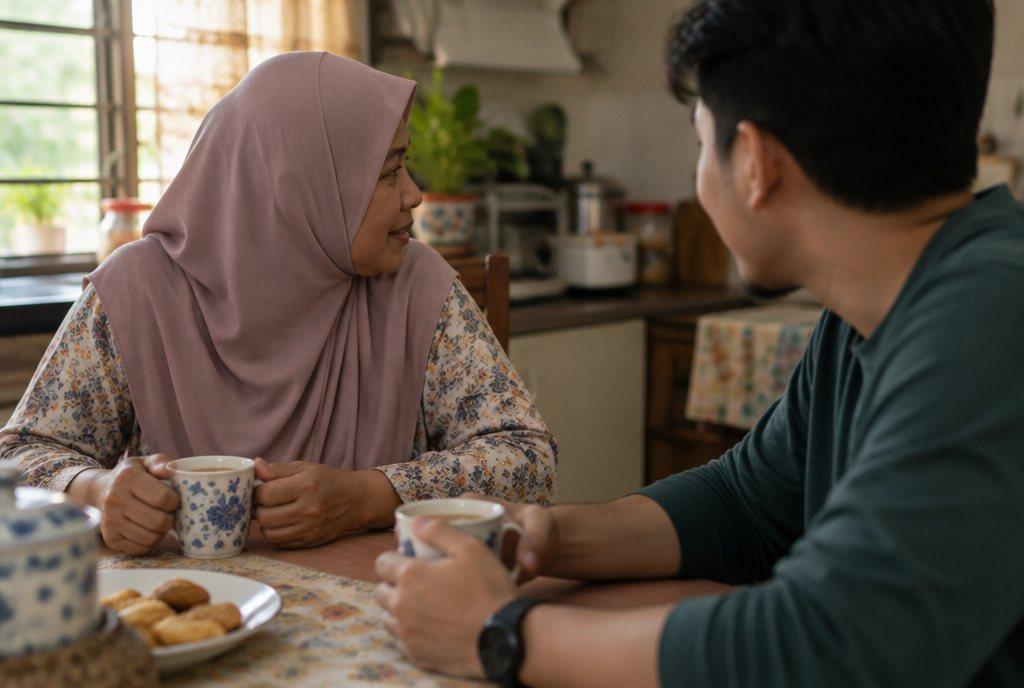
Why do some families choose a private stay outside Kedah?
Two reasons come up most: privacy and distance. At home, the people and places tied to the habit are close by, and so are the neighbours, colleagues and relatives who might notice. Staying away gives space from both. At Salus, guests live in private rooms inside a working hotel in a garden setting, so others around the hotel see a hotel guest. The guest decides who is told, and the family hears only what the guest agrees to.
Distance has a cost, and it is better to plan for it. A route planner (Rome2rio) shows about 460 km and roughly five hours by car from Alor Setar to Cyberjaya, less if you live in the south of the state. The same planner lists a train and rail link from Alor Setar to Putrajaya Sentral at about five and a half hours, and flights from Alor Setar to Subang at about an hour and ten minutes, so not every visit has to be a long drive. Visits are arranged around the programme and how ready the guest is, so the team will set dates with you, and you can plan the journey instead of arriving unannounced. Family are welcome to come along on the day of arrival, and family sessions are part of the stay. It helps to ask about all of this on the first call, before any decision is made.
How does admission work, and what does the family do during the stay?
The first step is a phone call or WhatsApp to the admissions team. It is confidential and carries no obligation, and you do not have to wait for your family member to be ready before you ask. A clinician then speaks with the person, in person or by phone, to understand what is needed. If Salus is the right place, a date is arranged.
While your family member is here, you are not left waiting. Family sessions explain what is happening and what helps at home, and there are sessions for you too. Updates reach you with the guest's consent. Before the 90 days end you help shape the written plan for going home.
Who is Salus not for?
Salus is for adults aged 18 and over who are willing to try a 90-day programme. It is not a care home, not elderly, nursing or dementia care, and not a spa, even though it sits inside a hotel. It cannot take anyone under 18. If your worry is an older relative, the team can point you towards suitable care.
Salus is also not an emergency service. If someone has collapsed, cannot be woken, has taken too much, is having a fit, is violent or is a danger to themselves or others, go to the nearest hospital emergency department or call 999. Do not wait to see whether it passes. Once the emergency is over, call us.
Questions families ask.
Is there a private drug rehab centre in Kedah?
We cannot speak for what is available in Kedah, and we have not compared the private centres in the state, so we will not guess. What we can say is that families looking for private residential care often look outside their own state as well, and Salus in Cyberjaya, Selangor is one option. If you would rather stay in Kedah, AADK can tell you the government options near you, whether you live in Alor Setar, Kulim, Pendang or elsewhere. Whichever you choose, ask any centre what is included, how long the stay is, who the clinical staff are and how families take part.
How much does a stay at Salus cost?
The fee is from RM7,000 per month, which makes a full 90-day stay from about RM21,000. It pays for the private room, all meals, 24-hour care and biopsychosocial-spiritual oversight, individual and group therapy and family sessions. Medication, deposits, medically supervised detox and any transfer to a psychiatric facility are charged separately. Ask about payment plans on the first call.
We live in Kedah. Can the family still visit and take part?
Yes. Cyberjaya is about five hours from Alor Setar by road, and there are trains and flights from Alor Setar too, so it takes a little planning. Visits are arranged around the programme and how ready the guest is, so the team will set them up with you. Families are also invited to family sessions. Ask on the first call how visits and sessions can work for you.
Will an employer or neighbours find out?
Not from Salus. We do not share who has enquired or stayed with anyone, workplaces included, without consent. What an employer is told is the guest's choice. Ninety days is about three months, so agree with the family beforehand what will be said, such as medical leave. Being away from home also means fewer neighbours who notice.
What if they say no, or agree and then change their mind?
Salus is voluntary, so a stay only works if they have agreed to it. Do not trick them into the car or tell them they are going somewhere else. Choose a calm moment when they are not high or just after a row, say what you have seen, and ask for one small step, such as a phone call with the team. You can call Salus first without them knowing. If they agree and then waver at the door or in the first week, the team talks it through with them, and with you if they agree. Wanting to leave early is not a sign that they have failed.
Is 90 days enough, and what if they use again?
Ninety days gives a first steady stretch, and the plan for home is written from the first week. It is not a cure. NIDA says a return to drug use is often part of recovery and a sign that the treatment plan needs adjusting. For heroin, WHO warns that overdose risk rises when use resumes after detox or after stopping treatment, so the first weeks at home are planned with care.
The clinical team behind Solace Asia.
Salus is part of Solace Wellbeing Group, which opened Solace Asia in 2014. It shares Solace's clinical leadership, methods and advisory board of senior Malaysian psychiatrists and clinicians, in a residential setting designed to cost less.
2014
Solace Asia founded
5,000+
Patients treated across the group
90
Days in the programme
Other conditions we treat.
- Start herePrivate rehab Malaysia
- PenangDrug rehab Penang
- PerakDrug rehab Perak
- JohorDrug rehab Johor
- SelangorPrivate drug rehab Selangor
- Kuala LumpurDrug rehab Kuala Lumpur
- AlcoholAlcohol addiction treatment
- DrugsDrug rehabilitation centre
- Syabu and iceSyabu addiction treatment
- Heroin and opioidsHeroin and opioid treatment
- KetumKetum addiction treatment
- Prescription medicinesPrescription medicine addiction
- GamblingGambling addiction treatment
- Gaming and internetGaming and internet addiction
- Mood and dependenceDual diagnosis treatment
- OCDOCD and addiction treatment
Insights
Further reading
How to choose a rehabilitation centre in Malaysia: ten questions to ask before you decide
Private rehab in Malaysia is unregulated in ways that surprise families. These ten questions separate a clinical programme from a nice building.
4 min readHow much does rehab cost in Malaysia? A straight answer, including ours
Private residential treatment in Malaysia ranges widely. Here is what drives the price, what should be included, and why Salus starts from RM7,000 a month.
3 min readHow to talk to someone you love about getting help
The conversation most families dread, and how to have it in a way that keeps the door open. Practical guidance from the Salus admissions team.
3 min read
Sources
- 1Sinar Harian, Pindaan RUU Akta Penagih Dadah 1983 permudah khidmat rawatan sukarela (July 2024): Act name, AADK says amendment eases voluntary treatment
- 2Sinar Harian, Akta 283 berkuat kuasa hari ini - KP AADK (22 August 2025): amended Act in force from 22 August 2025
- 3Utusan Malaysia, Empat negeri sempadan kekal catat kadar tertinggi salah guna dadah (13 June 2026): AADK names Kelantan, Terengganu, Perlis and Kedah as the states with the highest rates; Kedah 965 per 100,000
- 4Sinar Harian, Op Cegah Khas AADK: Kedah catat tangkapan tertinggi penagih dadah (25 September 2025): Kedah had the most arrests in the operation; 3,189 drug addiction arrests in Kedah January to September 2025; AADK office in Kota Setar
- 5Bernama, 689 Penagih Dadah Tampil Sukarela Dapatkan Rawatan, Pemulihan AADK (12 June 2026): voluntary participants face no legal action; AADK assesses each person and offers treatment of three months to two years
- 6RTM Berita, AADK buka sesi lawatan khas untuk keluarga klien sempena Aidilfitri (1 April 2024): 30 PUSPEN centres nationwide
- 7RTM Berita, Klien puspen positif dadah: AADK tukar petugas, mula tindakan tatatertib (27 February 2026): PUSPEN Serdang, Kedah
- 8Free Malaysia Today, Anti-drugs agency shifts focus to voluntary admissions in 2026 (29 January 2026): people can go to AADK directly without a medical officer's certification or the court process
- 9ecentral.my, RPDK & RPDI: Rawatan & Pemulihan Sukarela AADK: AADK line 1-800-22-AADK (2235)
- 10Rome2rio, Alor Setar to Cyberjaya: about 284 miles (457 km) and 5 hours 3 minutes by car; train and rail link to Putrajaya Sentral about 5 hours 35 minutes; flights Alor Setar to Sultan Abdul Aziz Shah (Subang) about 1 hour 10 minutes
- 11Journal of Information and Communication Technology (UMP), Treating The Addicted: Cure and Care Service Center (CCSC) in Malaysia: CCSCs are set up around the country and accept people who want treatment
- 12NIDA, Treatment of Addiction research topic: long-term treatment, relapse and overdose risk after a return to use
- 13NIDA, Methamphetamine research topic: withdrawal, cravings and psychosis
- 14World Health Organization, Opioid overdose fact sheet: risk after a period of abstinence
- 15Cleveland Clinic, Alcohol Withdrawal: Symptoms, Treatment and Timeline
This page is general information, not medical advice, and does not replace an assessment by a qualified clinician. If someone is in immediate danger, call 999.
One conversation is enough to start.
Call, message or write to us. You will speak with a member of our admissions team, not a call centre. Every enquiry is confidential and there is no obligation.
Available daily, including weekends and public holidays.
Confidential · No obligation
