

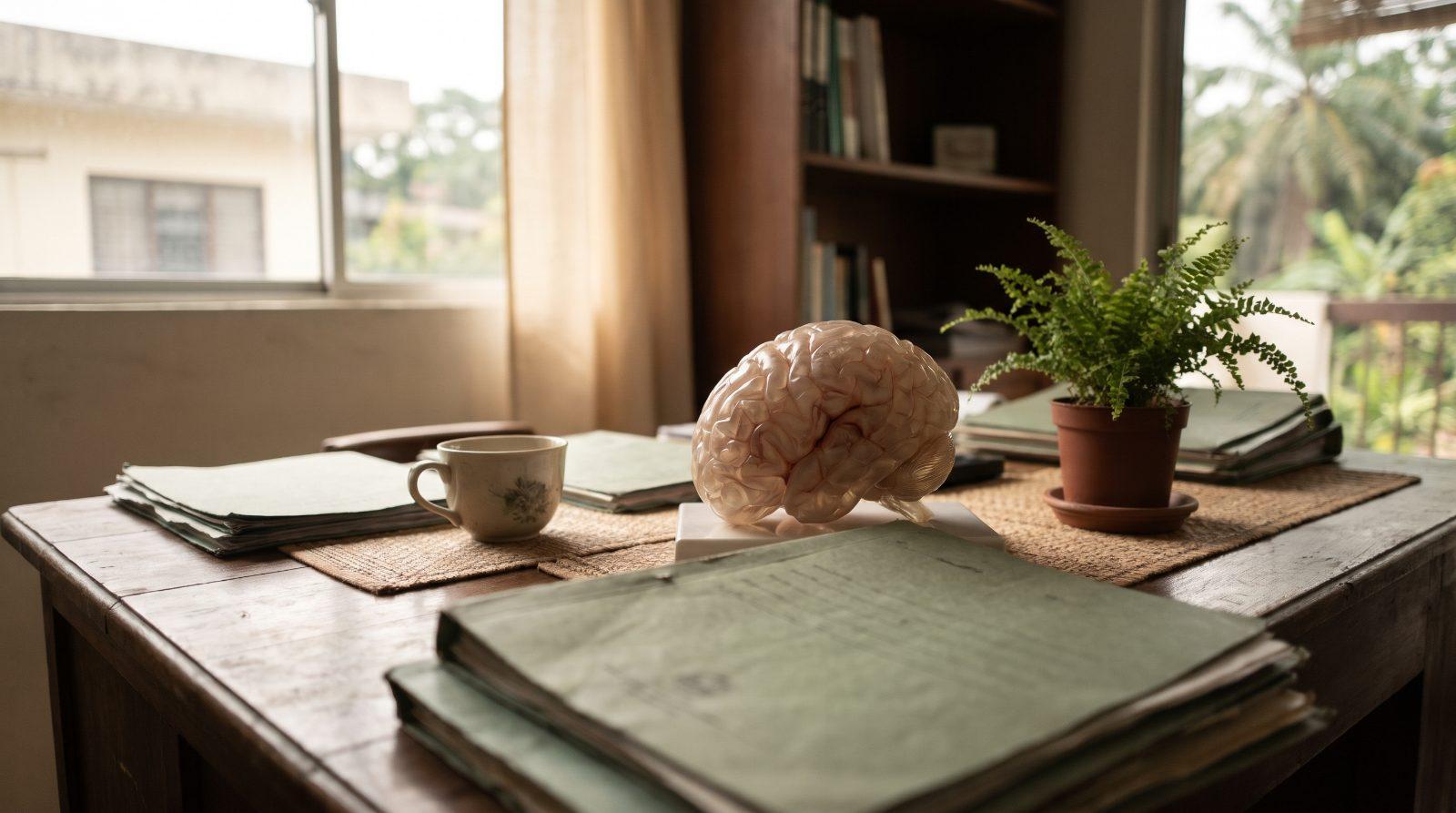
Drugs change the brain by flooding its reward system with dopamine, which teaches the brain to want the drug again and, over time, weakens the parts that handle self-control and calm. Many of these changes ease after a person stops, some within weeks and others over many months, which is why treatment and time matter so much.
This guide explains what happens in the brain, what different drugs do to mood and thinking, and what the research says about recovery. It is general information, not medical advice.
What drugs do in the brain
The US National Institute on Drug Abuse (NIDA) describes four parts of the brain that drugs affect most.
- The reward circuit (basal ganglia). This is the part that makes eating, sleeping and time with people feel good. Drugs release far more dopamine here than normal pleasures do. That surge "teaches" the brain to go after the drug again.
- The stress circuit (extended amygdala). With repeated use this area becomes more sensitive. When the drug wears off, the person feels anxious, restless and irritable, and using again becomes a way to make that feeling stop.
- The thinking and self-control area (prefrontal cortex). This is where we plan, weigh up choices and hold back from impulses. Drug use weakens it, so the person finds it harder to say no even when they truly want to.
- The brain stem. This controls heartbeat and breathing. Some drugs, opioids in particular, can slow breathing to a dangerous level.
Why it gets harder to stop
As use goes on, the brain adjusts to the drug. The same amount gives less pleasure, and the person starts to need the drug simply to feel normal. Ordinary things such as food, family and work feel flat by comparison.
At the same time, the brain has learned to link the drug with people, places and moods. A payday, a certain friend or a bad day can set off strong cravings. NIDA puts it plainly: the person's brain "has learned to crave the drug all the time", even when they want to quit.
This is why addiction is not simply a lack of willpower. The parts of the brain that would normally help a person stop are the same parts the drug has changed.
Effects on mental health
The brain changes above often show up as mental health problems. In Malaysia, the National Anti-Drugs Agency (AADK) said in June 2026 that 1,346 of the 5,030 people in its treatment from January to March 2026 had both a drug addiction and a mental health problem, mostly linked to synthetic drugs. Depression, unstable emotions and hallucinations were among the effects it described.
Some patterns by drug:
Syabu (methamphetamine)
NIDA lists anxiety, confusion, poor sleep and mood swings as long-term effects. Some people develop psychosis, with hallucinations and fixed false beliefs, and this can happen even when they have not just used. Studies also link long-term use to slower reactions and trouble learning new information. After stopping, low mood, anxiety and cravings can last for several months. Our guide to drug-induced psychosis covers the warning signs.
Ganja (cannabis)
An NHS trust's guidance says cannabis can raise the risk of later psychotic illness, more so with stronger cannabis or when someone in the family has had psychosis or depression. Regular use is linked to anxiety and depression, about 1 in 10 regular users become dependent, and long-term use can have a small but lasting effect on concentration.
Alcohol
The NHS lists alcohol-related brain damage, anxiety and depression among the longer-term risks of heavy drinking.
Heroin and other opioids
In an overdose, breathing can slow or stop. NIDA explains that too little oxygen to the brain (hypoxia) can cause coma, permanent brain damage or death, as well as lasting psychological and neurological effects.
Mental health problems and addiction often feed each other. Our guide to depression and addiction explains how, and why both need treating together.
Can the brain recover after stopping?
Often, yes, at least in part. Recovery takes time and is not the same for everyone, but the research is hopeful.
- Alcohol. A study of 49 people in an inpatient withdrawal programme found that brain volume lost through heavy drinking began to come back within two weeks of supervised abstinence. The area that controls balance recovered almost fully in that time; areas for more complex thinking recovered more slowly.
- Methamphetamine. Brain scans published in the Journal of Neuroscience in 2001 found that a key part of the dopamine system recovered towards normal levels in people who had stayed off methamphetamine for at least nine months. Memory and movement did not improve at the same pace, which suggests some effects take longer or may last.
What this means in practice: the first weeks and months off a drug are when the brain is still unsettled, so mood, sleep, memory and cravings can be at their worst. That is also when relapse is most likely. Staying in a steady, drug-free setting through that period gives the brain room to heal, which is one reason longer treatment tends to do better than a short detox. Our guide to why 90 days explains more.
Stopping safely
Some withdrawals affect the brain in ways that can be dangerous.
- Alcohol. The NHS warns it can be very dangerous to stop drinking suddenly if you are dependent. Withdrawal can cause fits, hallucinations and confusion. Get medical help before you stop.
- Sleeping pills and sedatives (benzodiazepines). Stopping suddenly can cause seizures. Speak to a doctor before cutting down.
- Other drugs. Withdrawal from syabu, heroin or ketum is usually less dangerous to the body but can bring low mood, anxiety and strong cravings. Our guide to drug withdrawal symptoms covers what to expect.
In an emergency, such as a seizure, very slow breathing, confusion or thoughts of suicide, call 999. For emotional support you can call the HEAL line on 15555 or Befrienders.
Frequently asked questions
Does every drug damage the brain?
Every drug that causes addiction acts on the brain's reward system. How much harm it does depends on the drug, how much and how long it was used, and the person's health. Some effects, such as opioid overdose brain damage, can be permanent; many others ease with time off the drug.
Can drugs cause mental illness?
Drug use can trigger or worsen mental health conditions, including psychosis, depression and anxiety. Some people had a condition before they started using, and the drug made it worse. Treatment works best when both are looked at together.
How long does it take the brain to heal after drugs?
There is no single answer. Some changes start to reverse within weeks, as with brain volume after alcohol. Others, such as changes in the dopamine system after methamphetamine, have been seen to recover over nine months or more. Mood and cravings often settle gradually over several months.
Is addiction a brain disease or a choice?
The first use is usually a choice. With repeated use, changes in the brain make stopping much harder than simply deciding to. That is why support, structure and time help more than blame.
Getting help
If you or someone close to you is struggling, talking to someone is a good first step. AADK offers free voluntary treatment; our guide to voluntary drug rehab in Malaysia explains how it works. You can also read about private options on our drug rehabilitation centre in Malaysia page, and about care for addiction with depression or anxiety on our dual diagnosis page.
Salus is a voluntary, 90-day residential programme for adults aged 18 and over in Cyberjaya, Selangor, with treatment alongside medical care. Fees start from RM7,000 a month; medication, deposits, medically supervised detox and any transfer to a psychiatric facility are charged separately. If you would like a confidential conversation with no obligation, contact us.
This article is general information, not medical advice.